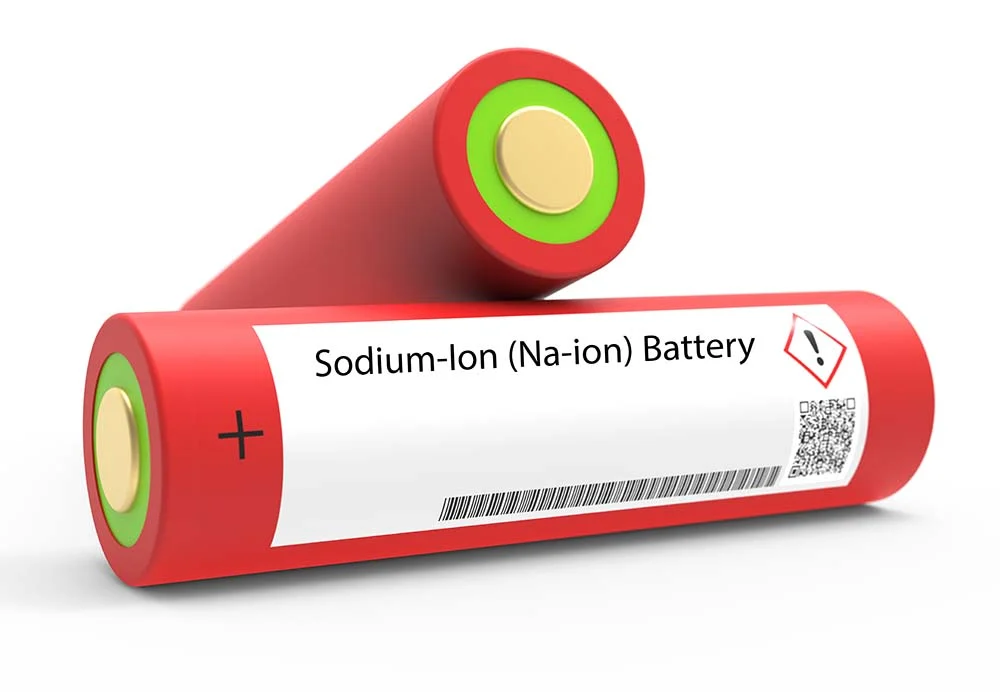
Hazmat shipping industry has developed clear procedures over the years around lithium batteries, but 2026 introduces a major new development: shipping sodium-ion batteries is now governed by its own dedicated international dangerous goods framework. This isn’t a minor terminology update.
Sodium-ion batteries have received new UN identification numbers, distinct classification entries, and transportation requirements that mirror many lithium-ion provisions while creating important differences that shippers must understand before offering these batteries for ground, air, or vessel transport.
Sodium-ion technology is moving rapidly from research labs into commercial products because it uses more abundant raw materials than lithium-based chemistries. As manufacturers scale production, logistics teams are increasingly encountering sodium-ion cells, battery packs, and equipment containing sodium-ion batteries. Hazmat employees are discovering that the battery is no longer classified under the familiar lithium entries they have used for years.
Need to get ahead of the 2026 sodium-ion changes before they affect your shipments? Hazmat University offers online hazmat training with current 49 CFR, IATA, and IMDG regulatory content, including battery transportation requirements, interactive exercises, and self-paced learning that helps shippers apply new rules with confidence.
Why Sodium-Ion Batteries Are Gaining Industry Attention
Sodium-ion batteries have attracted significant interest because they offer potential advantages in cost, raw material availability, and supply chain stability. Unlike lithium, sodium is abundant and widely available around the world. This has encouraged manufacturers to invest heavily in sodium-ion research and commercial development.
While sodium-ion batteries currently do not replace lithium-ion batteries in every application, they are becoming increasingly attractive for stationary energy storage systems, backup power applications, grid storage projects, and certain consumer products.
As production scales increase, transportation volumes naturally increase as well. Regulators recognized that waiting until widespread adoption occurred would create compliance uncertainty. As a result, new provisions were introduced to establish clear transportation requirements before sodium-ion battery shipments become commonplace.
This proactive approach is relatively unusual in dangerous goods regulation and reflects the lessons regulators learned from the rapid growth of lithium battery transportation over the past two decades.
The New UN Numbers Introduced for Sodium-Ion Batteries
One of the most important developments in the 2026 regulations is the introduction of dedicated UN numbers specifically assigned to sodium-ion batteries. Historically, new battery technologies sometimes created classification uncertainty because existing entries didn’t accurately reflect the hazards presented by emerging products. The new sodium-ion battery entries help eliminate that ambiguity.
Key developments include:
- Dedicated UN identification numbers: Sodium-ion batteries now have their own specific entries within dangerous goods regulations rather than being forced into classifications intended for other battery technologies.
- Recognition of different shipping configurations: Separate classifications apply depending on whether batteries are shipped by themselves, packed with equipment, or contained in equipment.
- Harmonized international treatment: Regulatory bodies have worked toward consistency across transportation modes to reduce confusion for global shippers.
- Alignment with existing battery frameworks: Regulators intentionally modeled many requirements after established lithium battery provisions.
This final point is perhaps the most important. Companies already familiar with lithium battery transportation will recognize many of the concepts appearing within the new sodium-ion battery rules. Moreover, familiar does not mean identical.
The Regulations Closely Mirror Lithium-Ion Battery Rules
Regulators did not start from scratch when developing sodium-ion battery transportation requirements. Instead, they leveraged decades of experience gained from regulating lithium batteries.
Both battery technologies involve electrochemical energy storage systems capable of generating heat, electrical hazards, and thermal events under certain conditions. Because many of the transportation risks are similar, much of the regulatory structure follows the lithium battery model.
Areas where similarities exist include:
- Testing requirements: Batteries generally must satisfy applicable design testing standards before entering transportation.
- Protection against short circuits: Packaging must prevent unintended electrical contact during transportation.
- Damaged battery restrictions: Batteries that are defective or damaged may be subject to additional transportation controls.
- Marking and labeling requirements: Similar hazard communication principles apply across both battery technologies.
For experienced hazmat employees, these similarities can reduce the learning curve significantly. Based on this, they should not create complacency. Every shipment must still be evaluated using the specific sodium-ion provisions contained within the applicable regulations.
The Classification Process
One of the biggest mistakes companies make when encountering new dangerous goods regulations is assuming classification can be delegated entirely to manufacturers. While manufacturers play a critical role in determining battery characteristics and testing compliance, shippers remain responsible for ensuring the shipment is correctly classified before transportation.
For sodium-ion batteries, classification begins with understanding the battery configuration being offered for transport.
- Batteries shipped alone: Individual battery shipments may follow different requirements than batteries incorporated into products.
- Batteries packed with equipment: Certain equipment packages contain batteries that remain separate from the equipment itself.
- Batteries contained in equipment: Products with installed batteries may qualify for different packaging and hazard communication requirements.
These distinctions already exist within lithium battery regulations, and similar decision-making processes now apply to sodium-ion batteries. Employees involved in shipping preparation must understand which configuration applies before selecting packaging, markings, labels, and documentation.
New battery technologies introduce new compliance questions. Hazmat University’s online dangerous goods training courses allow employees to build battery shipping knowledge at their own pace while learning the latest requirements for ground, air, and vessel transportation. Training courses are accessible 24/7, making it easier to stay current without disrupting daily operations.
Packaging Considerations for Sodium-Ion Batteries
Packaging remains one of the most important elements of safe battery transportation. The primary objective is preventing conditions that could trigger electrical failures, short circuits, physical damage, or thermal events during transportation.
Although packaging requirements vary depending on battery size, configuration, transportation mode, and applicable exceptions, several fundamental principles remain consistent.
Critical packaging objectives include:
- Preventing battery movement: Internal movement can increase the likelihood of damage during transportation.
- Protecting terminals: Exposed terminals must be safeguarded against accidental contact and short-circuit conditions.
- Preventing external damage: Packaging systems must withstand normal transportation stresses without compromising battery integrity.
- Maintaining package integrity: Outer packaging must remain capable of protecting the batteries throughout the transportation process.
Organizations already shipping lithium batteries will recognize many of these requirements. Nevertheless, employees should always verify the specific sodium-ion provisions rather than assuming complete equivalency.
Documentation and Shipping Paper Requirements
As with other dangerous goods shipments, sodium-ion batteries may require shipping documentation depending on the shipment configuration, quantity, transportation mode, and applicable exceptions.
Documentation requirements serve several purposes. They communicate hazard information, support carrier acceptance procedures, and provide emergency responders with critical information if an incident occurs. Companies introducing sodium-ion battery products into their supply chains should carefully review:
- Proper shipping descriptions.
- Applicable UN identification numbers.
- Quantity limitations.
- Required certification statements.
- Modal-specific documentation requirements.
Air transportation deserves particular attention because battery regulations frequently contain additional restrictions and documentation requirements compared to ground transportation. This is particularly true as airlines continue to maintain heightened scrutiny regarding battery shipments of all types.
The Training Challenge Facing Many Organizations
The biggest compliance risk associated with sodium-ion batteries may not be the regulations themselves. It may be organizational assumptions. Many employees have spent years learning lithium battery requirements. When they encounter sodium-ion batteries, they may assume the rules are identical and skip the learning process entirely.
That assumption can create significant compliance vulnerabilities. Regulatory frameworks that appear similar on the surface usually contain subtle distinctions involving classification criteria, documentation requirements, packaging instructions, or exceptions. Missing those details can result in shipment delays, carrier rejections, or enforcement actions.
This is why training becomes particularly important whenever new dangerous goods regulations are introduced. Employees need more than a summary of regulatory changes. They need practical understanding of how those changes affect day-to-day shipping operations.
Online Hazmat Training is Becoming Increasingly Important
Battery transportation regulations continue to evolve at a pace that makes traditional training schedules difficult to maintain. New technologies emerge, testing requirements change, and international regulations are updated regularly. Online hazmat training offers an effective solution because it allows employees to access updated regulatory content without waiting for periodic classroom sessions.
Hazmat University’s online training programs are developed by experienced industry professionals who continuously monitor regulatory developments and incorporate updates into course content. The training includes interactive exercises, knowledge assessments, and practical instruction designed to help employees apply regulatory concepts in real-world shipping environments.
For organizations managing multiple transportation modes, multimodal training options provide an efficient way to understand how sodium-ion battery requirements may differ between ground, air, and vessel transportation systems. As battery technology continues evolving, the ability to access current, flexible training resources becomes increasingly valuable.
Preparing for the Future of Battery Transportation
Sodium-ion batteries represent one of the most significant battery transportation developments in recent years. While the regulatory framework intentionally mirrors many lithium battery concepts, companies should resist the temptation to treat sodium-ion compliance as simply another version of lithium battery shipping.
The introduction of dedicated UN numbers, new classification provisions, and technology-specific requirements creates a distinct regulatory environment that deserves careful attention. Organizations that begin educating employees now will be far better positioned to support future growth in sodium-ion battery manufacturing, distribution, and transportation.
The next generation of battery transportation regulations is already here. Hazmat University helps individuals prepare through engaging online hazmat training courses covering dangerous goods requirements, battery transportation rules, and multimodal compliance obligations. With immediate course access, self-paced learning, and instant certificates of completion, staying current on emerging technologies has never been more convenient.
Be Confident. Be Competent. Be Compliant.
